Booty Booster Workout Plan
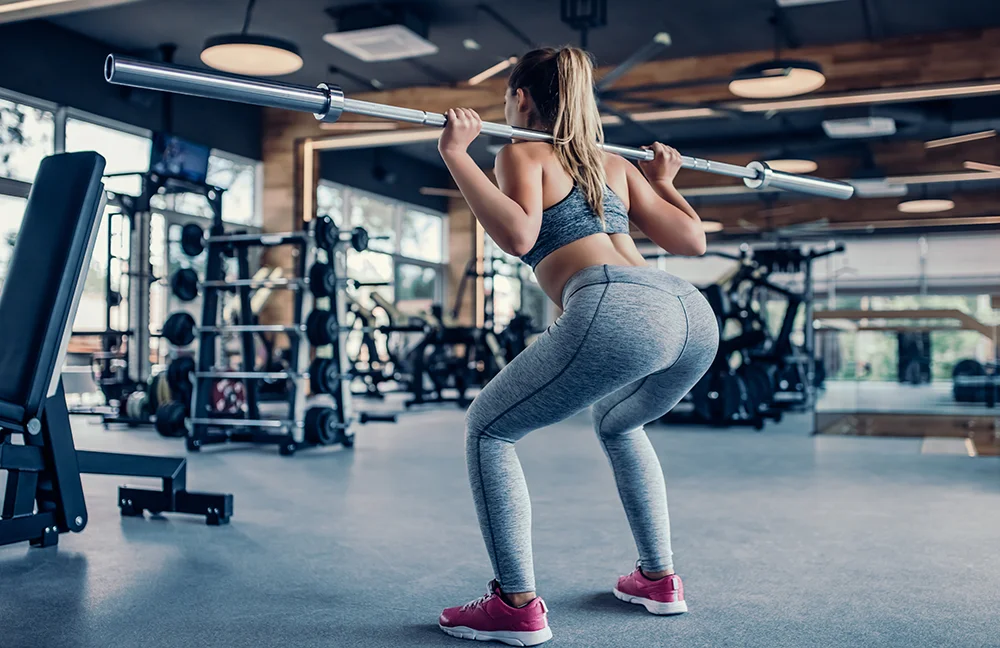
The Booty Booster focuses on toning and strengthening the buttocks, with a combination of bodyweight exercises and dumbbell movements. This workout will help develop the glutes while also improving the lower body muscles, including the hamstrings and quads.
Booty Booster
8 exercises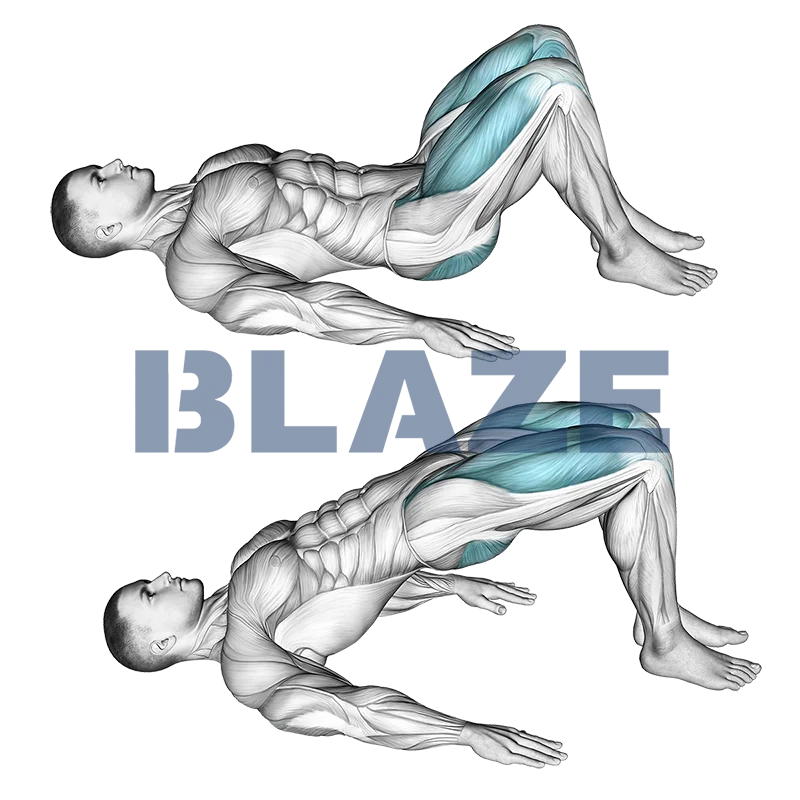
The hip thrust is a powerful exercise targeting the glutes, hamstrings, and core muscles. Benefits include enhanced glute activation, improved lower body strength, and better athletic performance. Strengthening these muscles aids in activities like running, jumping, and lifting, contributing to overall stability and injury prevention. Athletes profit from hip thrusts due to increased explosive power and endurance, essential for sports requiring speed and agility. This exercise is a key addition for anyone aiming to build strength and enhance athletic capability.
Community Averages
16
Avg. reps/set
* Based on data from the Blaze community
Description
- 1Starting Position: Lie flat on your back on the floor. Place your hands by your sides and bend your knees. Your feet should be about shoulder-width apart.
- 2Lift Hips: Pushing mainly through your heels, lift your hips off the floor. Keep your back straight as you lift and exhale during this motion.
- 3Hold Position: When your hips are fully raised, hold the position at the top for one second.
- 4Lower Hips: Slowly lower your hips back to the starting position while inhaling.
- 5Repeat: Repeat the motion for the desired number of reps.
Tips & Tricks
- •Proper Setup and Positioning: Ensure your shoulders are resting on a sturdy bench. Place your feet shoulder-width apart, and ensure your shins are vertical at the top of the movement.
- •Engage Your Core: Keep your core tight throughout the movement to maintain stability and prevent injury.
- •Control the Movement: Move through the exercise slowly and with control. Avoid using momentum to lift the weight.
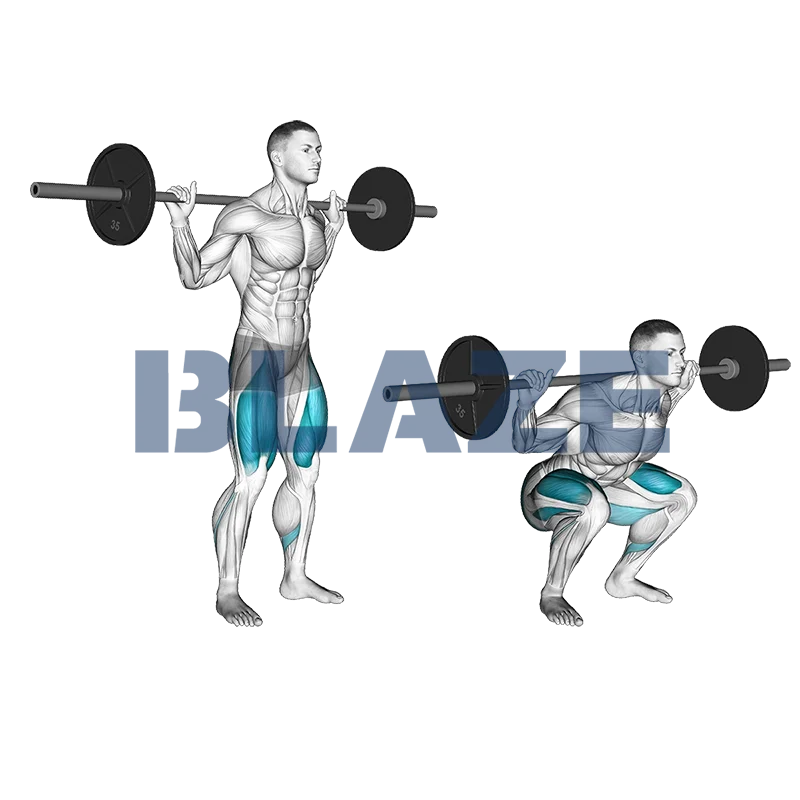
The barbell squat is a foundational exercise that offers multiple benefits, including improved strength, power, and muscle mass. Key muscle groups activated during this exercise include the quadriceps, hamstrings, glutes, and lower back. For athletes, incorporating barbell squats can enhance performance by promoting better balance, agility, and explosiveness, which are crucial for sports like football, basketball, and track. Additionally, squats improve core stability and support injury prevention by strengthening connective tissues and joints.
Community Averages
55kg
Avg. weight
122lbs
Avg. weight
* Based on data from the Blaze community
Description
- 1Load a barbell on a rack at upper-chest level. Step under the barbell so that it rests on the back of your shoulders, and grasp the bar at each side. Hands are slightly wider than shoulder-width apart.
- 2Dismount the barbell and step backward. Your feet should be shoulder-width apart and must slightly point outwards.
- 3Inhale as you squat down by simultaneously pushing the hips back and bending your knees and hips to lower the torso. Keep your torso upright, and descend at least until your knees are bent at a 90-degree angle.
- 4Be careful that your knees do not extend beyond an imaginary line drawn vertically upward from your toes. Instead, push your butt backwards to avoid this.
- 5Exhale as you push your body back up to the starting position, still keeping your torso upright.
- 6You have completed your first repetition. Repeat the motion in a controlled way and count your reps.
Tips & Tricks
- •Warm-Up Thoroughly: Always start with a comprehensive warm-up to prepare your muscles and joints. This can include dynamic stretches and light cardio to get your blood flowing.
- •Head Position: Keep your head facing forward and eyes fixed on a point in front of you. This helps maintain balance and keeps your spine aligned.
- •Chest Up: Ensure your chest is up and your back is neutral throughout the movement. Avoid rounding your back to prevent spinal injuries.
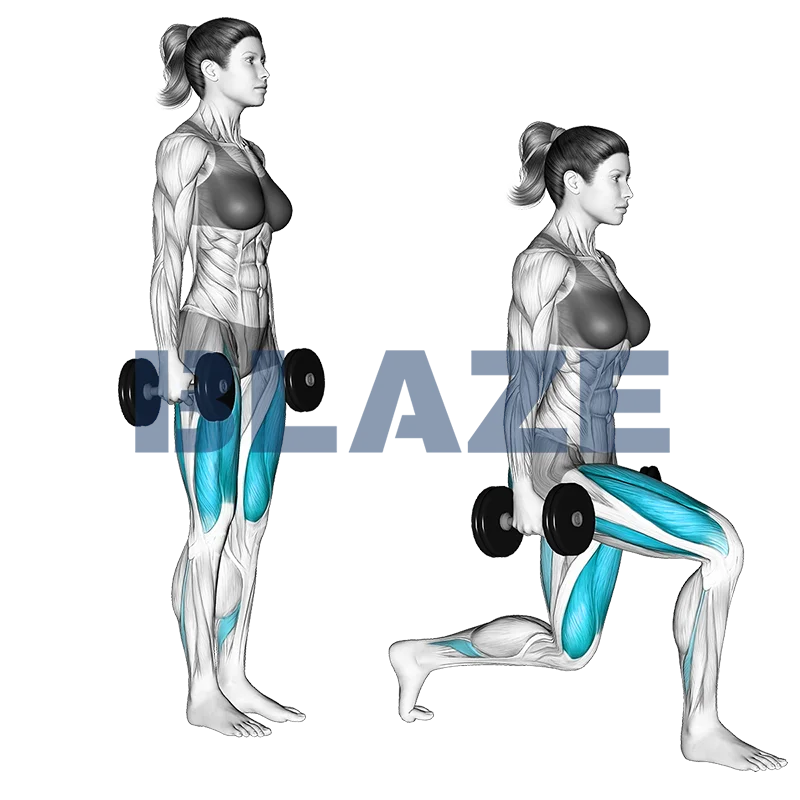
The dumbbell split squat is a powerful unilateral exercise that targets the quads, glutes, and hamstrings. This move also engages the core, enhancing stability and balance. Athletes benefit from improved lower body strength, symmetry, and injury prevention. The unilateral nature of the split squat helps correct muscle imbalances and enhances coordination. By incorporating this exercise into their routine, athletes can enhance their performance in sports requiring leg strength, agility, and power.
Community Averages
25kg
Avg. weight
56lbs
Avg. weight
* Based on data from the Blaze community
Description
- 1Hold a dumbbell in each hand and stand upright with the dumbbells hanging by your sides.
- 2Inhale as you take a large step forward with one leg and bend the knee of that leg until there is a 90 degree angle between your thigh and your calf. The knee of your other (back) leg should almost touch the floor.
- 3Exhale as you drive back up with your front leg and step back into the standing position.
- 4You have completed your first repetition.
- 5Repeat the same motion with your opposite leg. Keep alternating the leg with each lunge.
Tips & Tricks
- •Maintain Proper Posture: Keep your upper body straight, with shoulders back and relaxed, and chin up. Picking a point to focus on in front of you can help you maintain balance.
- •Engage Your Core: Engage your core muscles throughout the movement to maintain stability and support your lower back.
- •Focus on Form, Not Speed: Perform the exercise slowly and with control rather than rushing through it. This ensures proper muscle engagement and reduces the risk of injury.
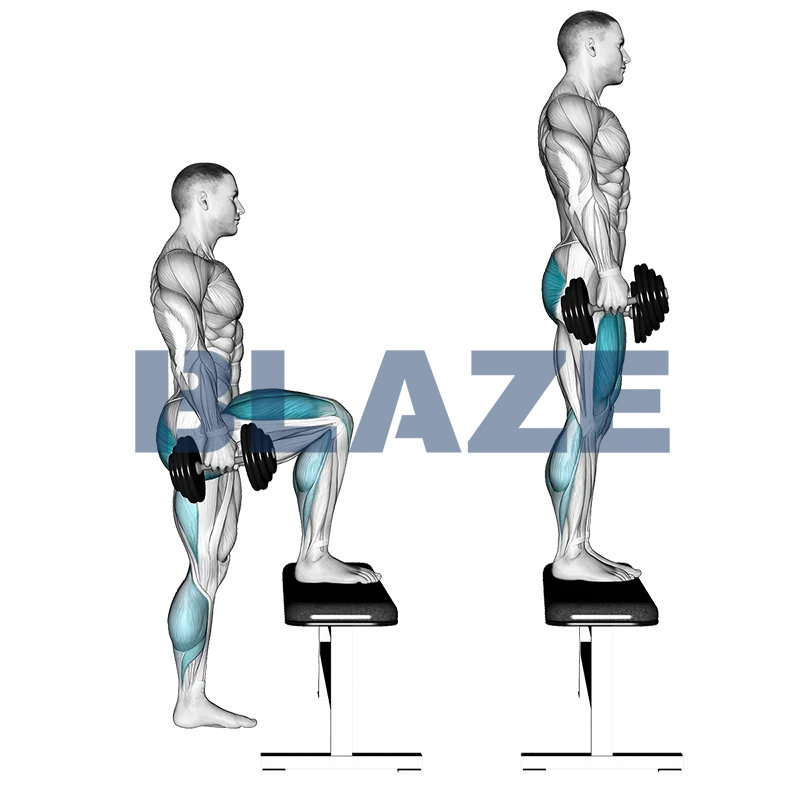
The dumbbell step up is an effective exercise for building lower body strength and improving balance. It primarily targets the quadriceps, hamstrings, and glutes, while also engaging the calves and core for stabilization. Athletes can benefit from this exercise as it enhances functional strength, which is essential for sports that require powerful leg movements like running, jumping, and cycling. Additionally, it helps to address muscular imbalances and improve overall coordination, making it a valuable addition to any training regimen.
Community Averages
31kg
Avg. weight
69lbs
Avg. weight
* Based on data from the Blaze community
Description
- 1Stand facing a raised platform (e.g., a bench) while holding a dumbbell in each hand by your sides.
- 2Exhale as you step up onto the bench with your right leg, pressing your foot firmly onto the surface.
- 3Bring your left foot up so that both feet are together on the bench.
- 4Inhale as you carefully step down off the bench with your right leg first.
- 5Follow by bringing your left foot down so both feet are together on the floor.
- 6Repeat the process, this time leading with your left leg.
- 7Continue alternating legs for the desired number of repetitions.
Tips & Tricks
- •Choose the Right Height: The platform height should be challenging yet manageable. Ideally, it should be around knee height. If you’re a beginner, opt for a lower step and gradually increase the height as you become more comfortable.
- •Maintain Proper Form: Keep your back straight and core engaged throughout the exercise. Avoid leaning forward or letting your lower back curve excessively.
- •Mind Your Foot Placement: Place your entire foot on the bench or platform to ensure stability. Avoid pushing off the toe or the edge of your foot.
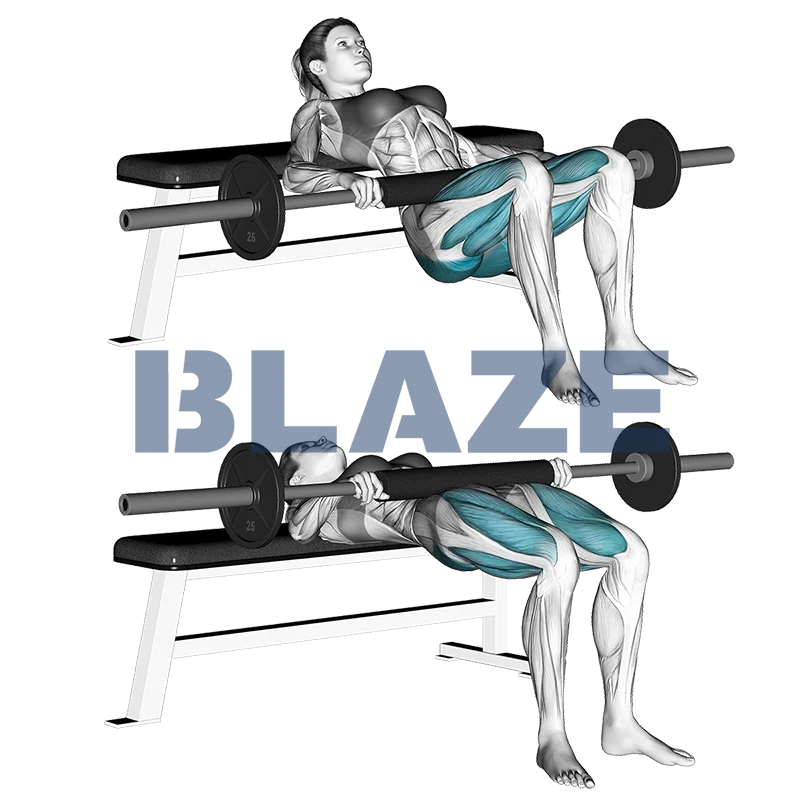
The barbell hip thrust is a powerful lower-body exercise that primarily targets the glutes, with secondary activation of the hamstrings, quads, and core. This exercise enhances hip extension strength, boosts athletic performance by improving sprinting and jumping capabilities, and aids in overall hip mobility. Benefits include increased glute size and strength, improved posture, and reduced risk of injury through better stabilization. Athletes profit from superior lower-body power, enhanced agility, and greater force production for a competitive edge.
Community Averages
79kg
Avg. weight
173lbs
Avg. weight
* Based on data from the Blaze community
Description
- 1Position a bench parallel to a loaded barbell.
- 2Sit with your back against the bench, legs extended and feet under the barbell.
- 3Grasp the barbell firmly with both hands.Bend your knees and place your feet flat on the floor, hip-width apart.
- 4Exhale as you raise the barbell by extending your hips until they are fully extended.
- 5Squeeze your glutes and hold for a count of two.
- 6Inhale as you lower the barbell by flexing your hips, keeping it above the floor.
- 7Repeat the exercise, focusing on maintaining proper form and control.
Tips & Tricks
- •Proper Foot Placement: Ensure your feet are planted firmly on the ground directly under your knees. This helps in achieving optimal glute activation and maintaining balance throughout the exercise.
- •Controlled Movement: Focus on controlled movements. Avoid using momentum to lift the barbell. This ensures that your glutes are doing the majority of the work, maximizing their development.
- •Engage Your Core: Keep your core tight and engaged throughout the exercise. This not only supports your spine but also ensures a more effective thrust.
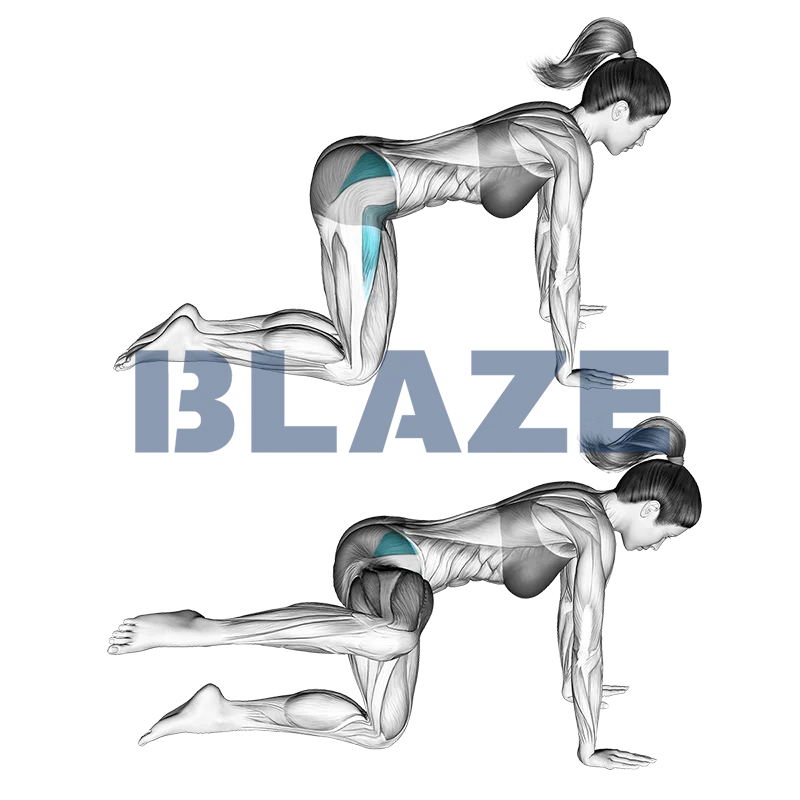
The bent leg side kick kneeling exercise targets the gluteus medius, gluteus maximus, and core muscles. This exercise enhances hip mobility, strengthens the lower body, and improves balance. Athletes benefit from increased lateral strength, crucial for agility and stability in sports such as soccer, basketball, and tennis. Additionally, it engages the core, promoting better posture and reducing injury risk. The movement also aids in correcting muscle imbalances, contributing to overall athletic performance and functional strength.
Community Averages
16
Avg. reps/set
* Based on data from the Blaze community
Description
- 1Start Position: Kneel on the mat, bending your trunk slightly to the side. Place one palm on the mat with fingers pointing away from your knee. Place the other hand behind your head with the elbow bent and pointing toward the ceiling.
- 2Leg Position: Lift the top leg (the leg farthest from the support arm) to about hip height.
- 3Inhale and Move Forward: Inhale as you bring the raised leg forward.
- 4Exhale and Move Backward: Exhale as you bring the raised leg backward.
- 5Repeat: Repeat this forward and backward motion five times.
- 6Switch Sides: After completing five repetitions, switch sides and repeat the exercise with the opposite leg.
Tips & Tricks
- •Engage Your Core: Keep your core muscles tight throughout the exercise to maintain balance and protect your lower back.
- •Controlled Movements: Focus on performing the kick with control rather than speed to work the target muscles more effectively.
- •Align Your Body: Ensure your supporting arm is directly under your shoulder for optimal balance.
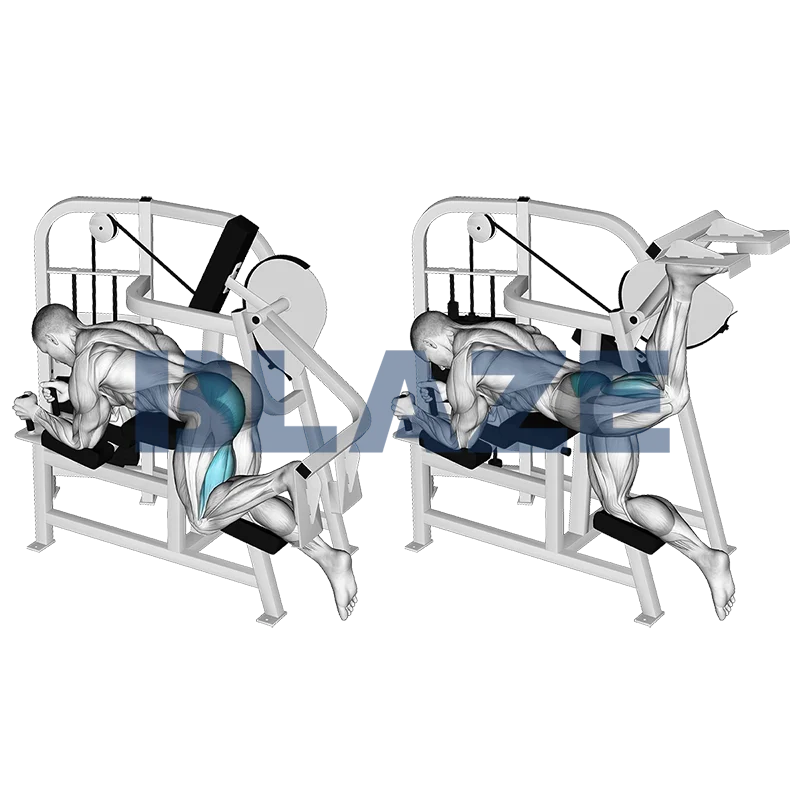
Machine hip extension offers numerous benefits, particularly for strengthening and toning the gluteal muscles and hamstrings. This exercise provides a robust activation of the lower body, enhancing muscle endurance and stability. Athletes profit from improved hip extension, better sprinting speed, and enhanced overall lower body strength. This exercise also supports injury prevention by reinforcing the muscles that stabilize the hips and pelvis, crucial for maintaining proper posture and alignment during diverse athletic activities.
Community Averages
34kg
Avg. weight
75lbs
Avg. weight
* Based on data from the Blaze community
Description
- 1Set up a low cable pulley. Strap the cable around your foot or ankle.
- 2Kneel on a bench, with your torso horizontal and the strapped leg extended off the side.
- 3Keeping your knee slightly flexed, pull the cable backward by extending your hip.
- 4Hold for a count of two and squeeze your glute.
- 5Lower the cable to the starting position by flexing your hip.
- 6Repeat for the prescribed number of repetitions.
- 7Repeat the exercise with your opposite leg.
Tips & Tricks
- •Controlled Movements: Always perform the exercise with slow and controlled movements. This maximizes muscle engagement and minimizes the risk of injury.
- •Focus on Squeezing: At the top of the movement, focus on squeezing your glutes. This will enhance muscle activation and help to tone and strengthen the target area more effectively.
- •Proper Alignment: Keep your hip, knee, and foot aligned throughout the exercise. This will help in maintaining proper form and preventing undue strain on other parts of your body.

The Bulgarian split squat is a highly effective lower-body exercise that targets the quadriceps, hamstrings, glutes, and calves. By isolating each leg, it helps improve balance, stability, and unilateral strength. Athletes benefit from enhanced muscular endurance, increased flexibility, and reduced risk of injury due to muscle imbalances. This exercise is particularly advantageous for improving athletic performance in sports requiring strong, stable legs, making it a valuable addition to any training regimen.
Community Averages
38kg
Avg. weight
83lbs
Avg. weight
* Based on data from the Blaze community
Description
- 1Place a barbell on the back of your shoulders and grasp it firmly at both sides.
- 2Stand with your back facing the side of a bench. Place the top of one foot on the bench behind you so that only one of your feet is making contact with the floor.
- 3Keeping your torso upright, inhale as you squat down with your supporting leg until the knee of your back leg nearly touches the floor.
- 4Exhale as you push yourself back up to the starting position.
- 5Repeat for the desired number of repetitions.
- 6Repeat the repetitions with your opposite leg.
Tips & Tricks
- •Posterior Tilt for Depth: Ensure your pelvis is in a posterior tilt to help target the glutes more effectively and to achieve greater depth in the squat.
- •Position your Rear Leg Correctly: Place your rear leg on the bench or platform such that it's high enough to allow a deep squat, but not so high that it causes discomfort or balance issues.
- •Front Foot Placement: Adjust the placement of your front foot to a position where, at the bottom of the movement, your knee is at approximately a 90-degree angle to avoid undue stress on your knee joint.
Start this workout in the Blaze app
Download Blaze Workout Tracker and follow this plan with guided sets and tracking.